TROPH Project
Developing complementary weed management techniques is particularly challenging because sugarcane growing conditions on Réunion Island are highly diverse. Depending on production areas, seasonal conditions, and the weed communities present, weed pressure can vary considerably. In a context marked by evolving pesticide regulations and the gradual reduction in the number of available active ingredients, the industry must develop new solutions while maintaining effective weed control tools to secure crop production.
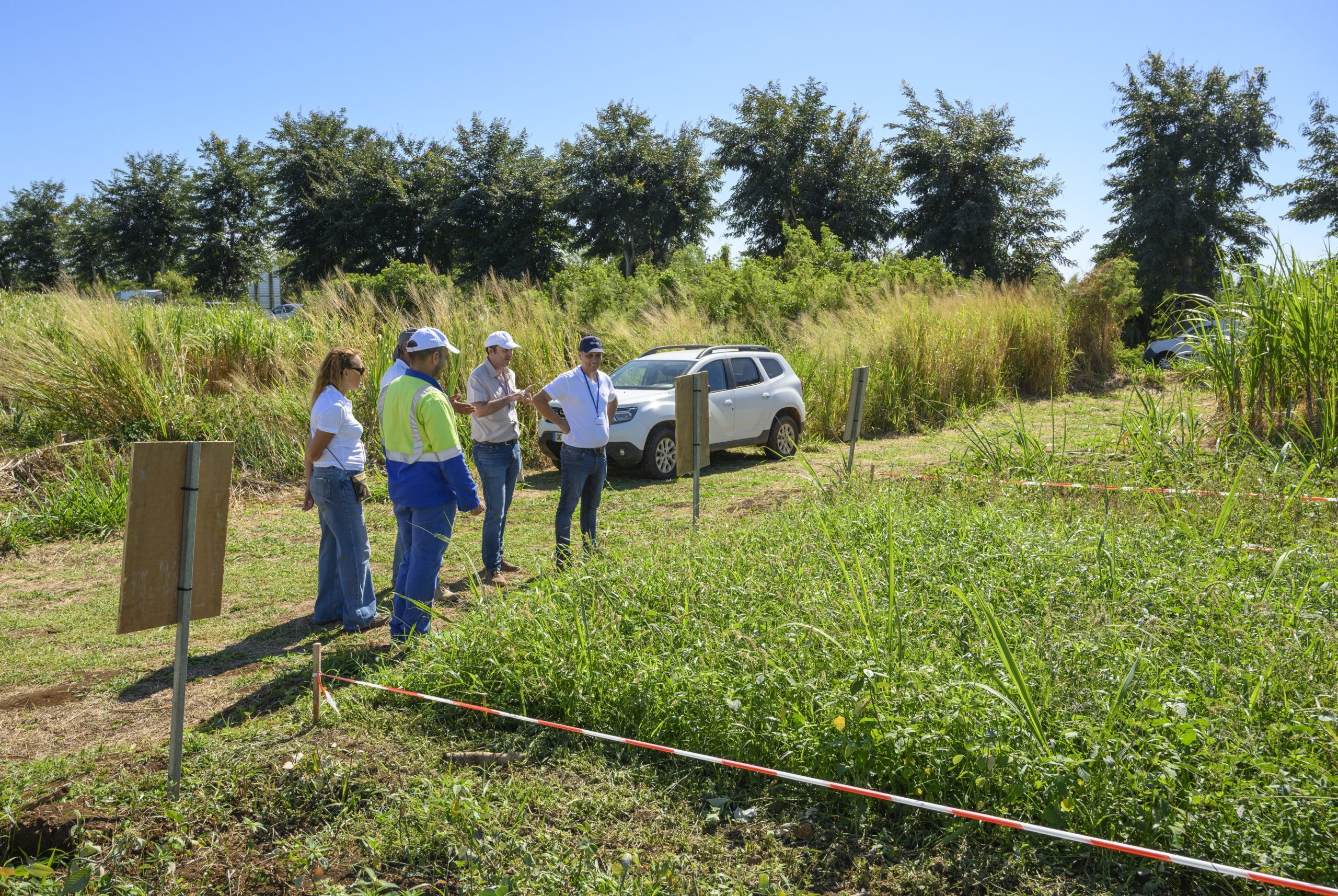
To address these challenges, eRcane has strengthened its experimental capacity through the creation of a Northern Experimental Unit, comprising an agronomist and a technician, complementing the historical Southern Unit. This organization broadens the range of soil and climatic conditions under study, increases research capacity, and accelerates the generation of technical references within the framework of the TROPH project. In October 2025, the Good Experimental Practice (GEP) accreditation, originally obtained in 2014, was extended to this new experimental unit, further strengthening eRcane’s capacity to conduct regulatory field trials across the entire sugarcane-growing region.
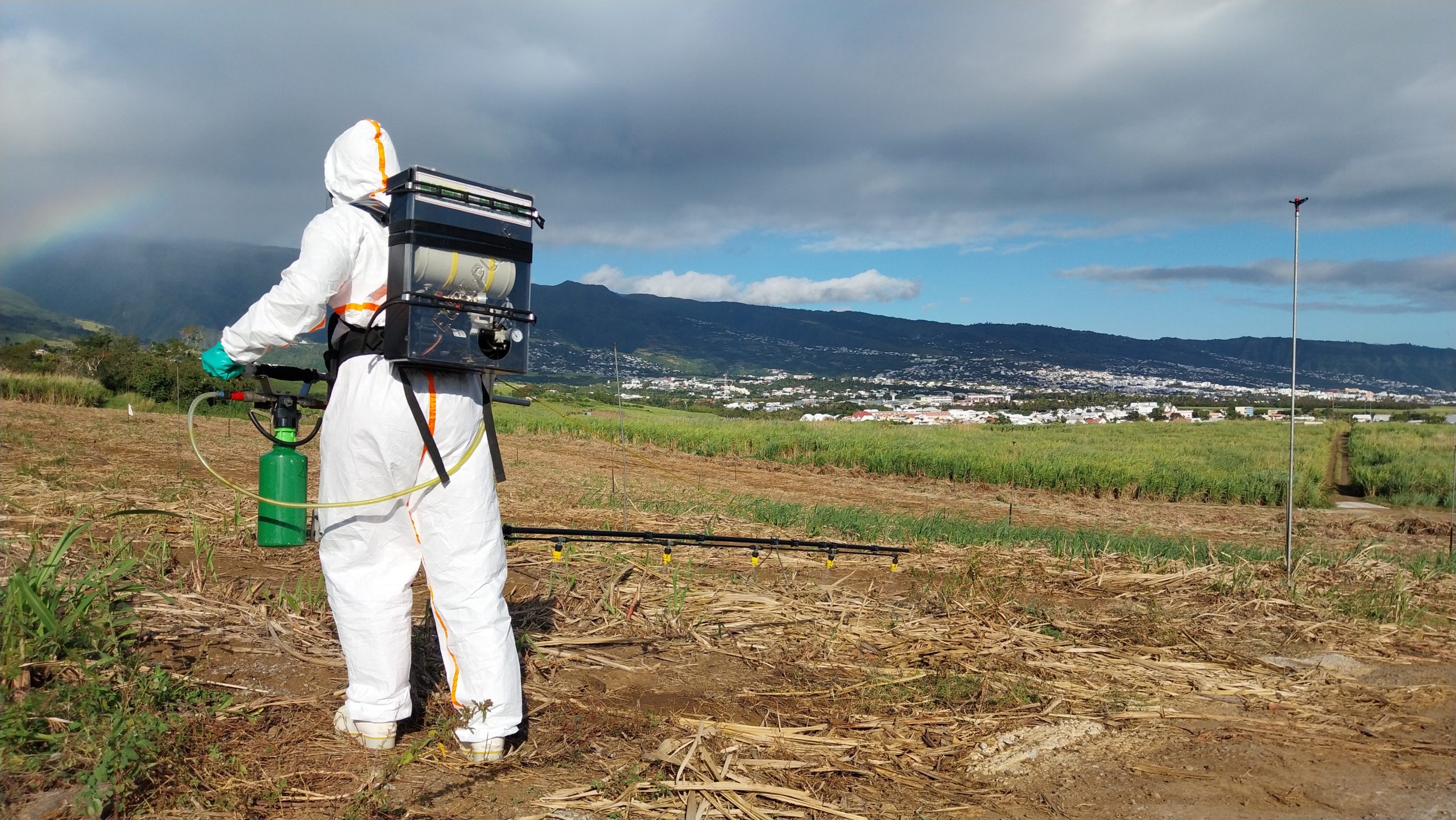
To ensure the availability of registered herbicides and weed management programs adapted to a wide range of weed situations, the TROPH project conducts several types of trials:
- registration trials for new active ingredients or label extensions, providing regulatory solutions that meet the needs of the sugarcane industry;
- technical reference trials designed to optimize weed control programs through herbicide mixtures, reduced application rates, adjuvants, product selectivity assessments, and optimal application timing;
- evaluation trials of alternative weed management approaches combining agronomic, mechanical, and soil cover management strategies;
- integrated crop management trials assessing sequences of interventions aimed at achieving sustainable weed control until full canopy closure by the sugarcane crop.
These activities help secure short-term weed management options while preparing the alternative solutions needed to support the agroecological transition of Réunion Island’s sugarcane industry.