Alternative weeding methods
The work carried out in this field has been progressively supported by several projects dedicated to reducing herbicide use in sugarcane cultivation.
- CanécoH (part of the DEPHY EXPE network under the Ecophyto Plan), which enabled the design and evaluation of innovative, low-herbicide cropping systems through the use of agroecological approaches, particularly service crops;
- AgriécoH, focused on the development and assessment of mechanical weeding and small-scale mechanization solutions adapted to the specific conditions of sugarcane production in Réunion Island;
- Since mid-2024, IDECAS (Innovation and Knowledge for Sugarcane Weed Management), led and coordinated by eRcane under the PARSADA program (Strategic Action Plan for Anticipating the Withdrawal of Active Substances), which aims to anticipate the consequences of the progressive withdrawal of plant protection active substances and accelerate the development of alternative solutions for the sugarcane industries of the French overseas territories.
Coordinated by eRcane in partnership with the sugarcane technical centers (CTCS) of Guadeloupe and Martinique, Cirad, and several local partners, the IDECAS project builds upon and expands the work initiated under previous projects. Its objective is both to develop viable alternatives to herbicides facing regulatory withdrawal and to support growers in adopting new weed management practices.
The project is structured around three complementary objectives:
- improving knowledge of the major weed species affecting sugarcane, including their biology, competitiveness, and population dynamics, in order to optimize their management;
- developing, evaluating, and co-designing innovative weed control solutions that combine agronomic, mechanical, and technical approaches adapted to different production environments;
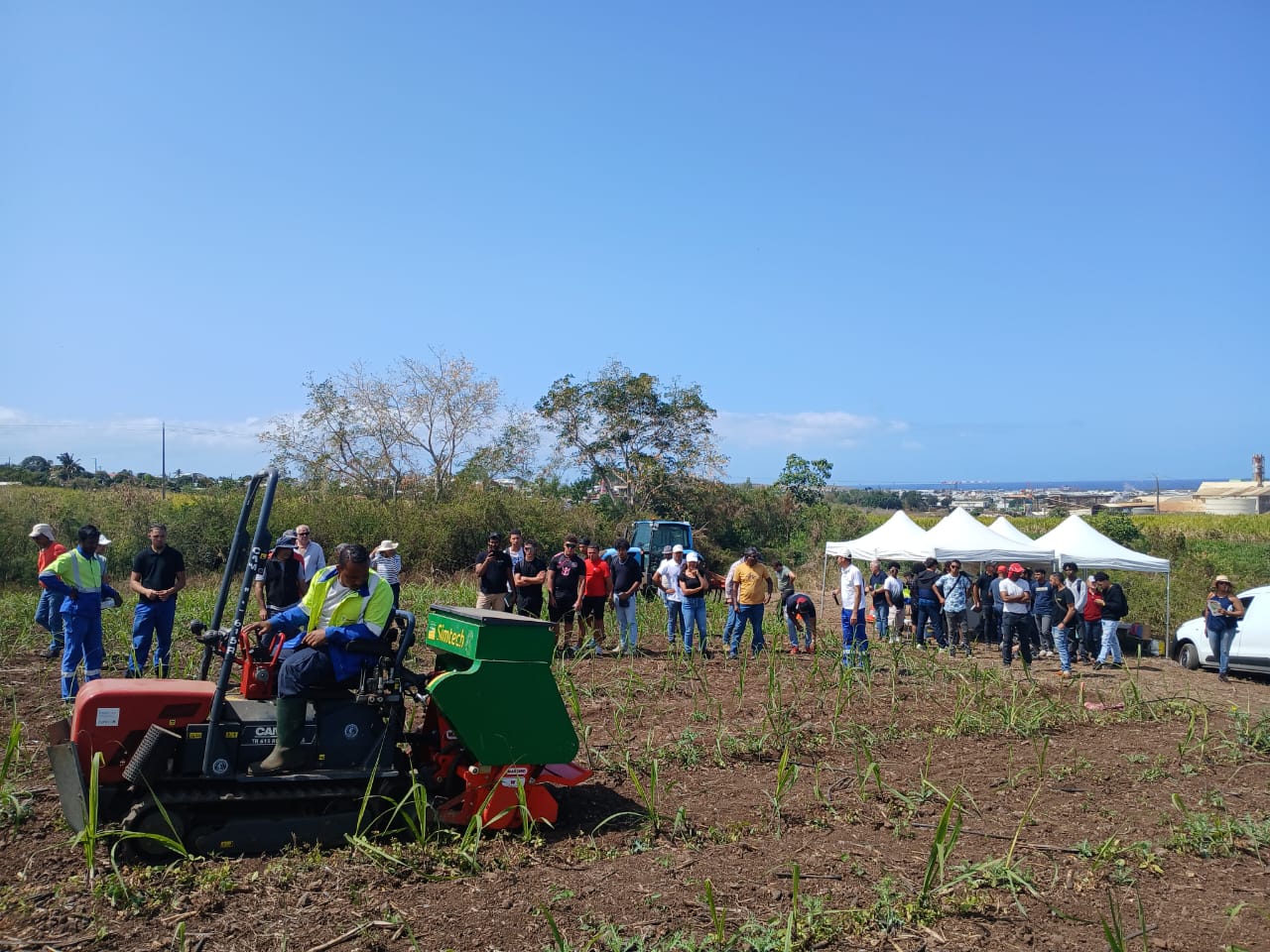
- transferring and deploying innovations through demonstration plots established on commercial farms to encourage their adoption and dissemination throughout the sugarcane industry.
These projects rely on experiments conducted both at research stations and on commercial farms through a co-design approach that integrates growers’ needs and operational constraints. The work is carried out in collaboration with research, extension, and agricultural training organizations involved in the sugarcane sector.
Among the approaches already evaluated or currently under investigation are:
- the establishment of service crops between sugarcane rows;
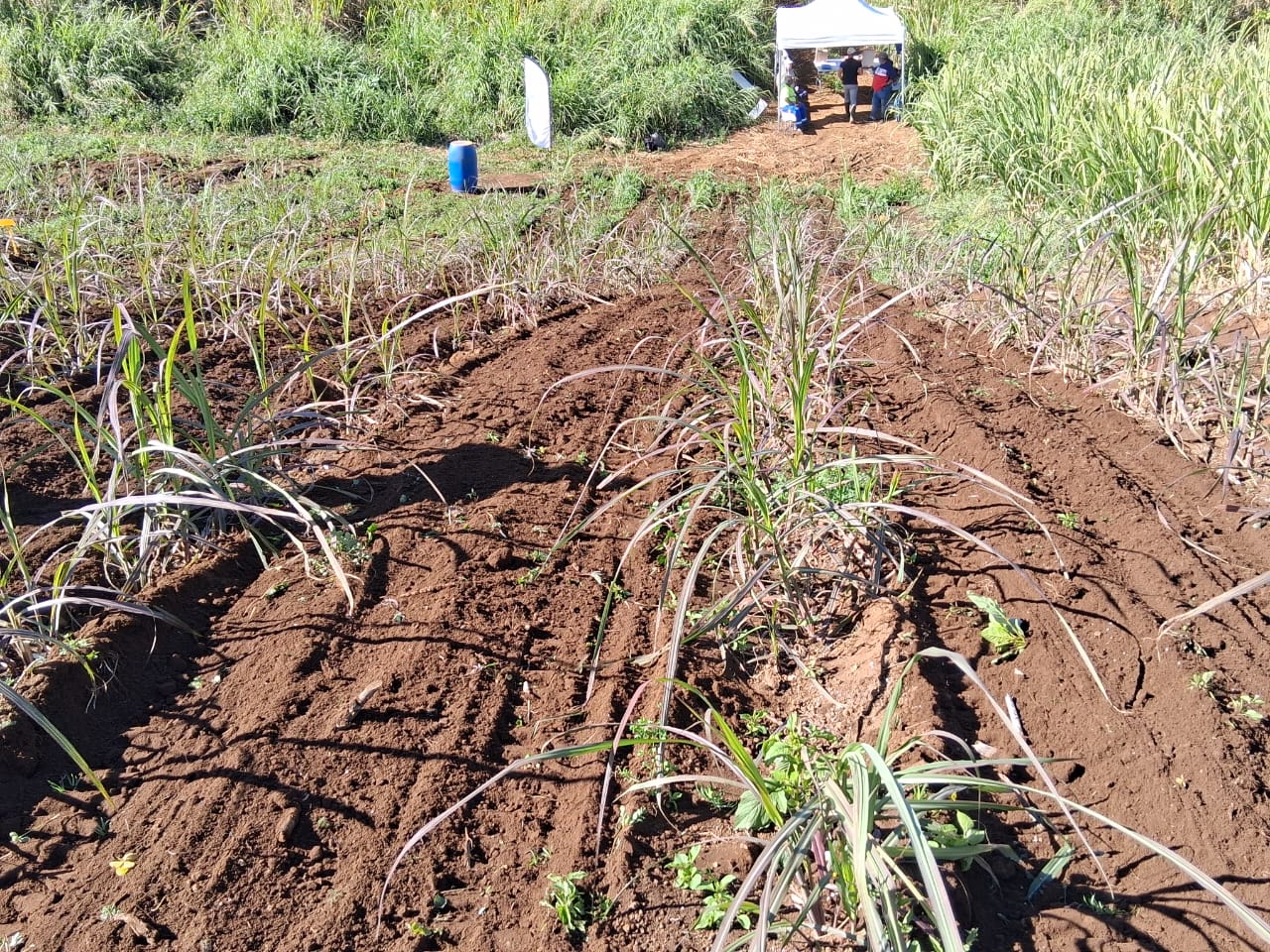
- mechanical weed control, with or without tillage;
- mulch and harvest residue management to suppress weed growth;
- cover crops between successive sugarcane production cycles;
- the influence of planting material on weed dynamics;
- combinations of agronomic practices integrated into innovative cropping systems;
- new planting techniques, including pre-germinated seedlings and reduced tillage systems;
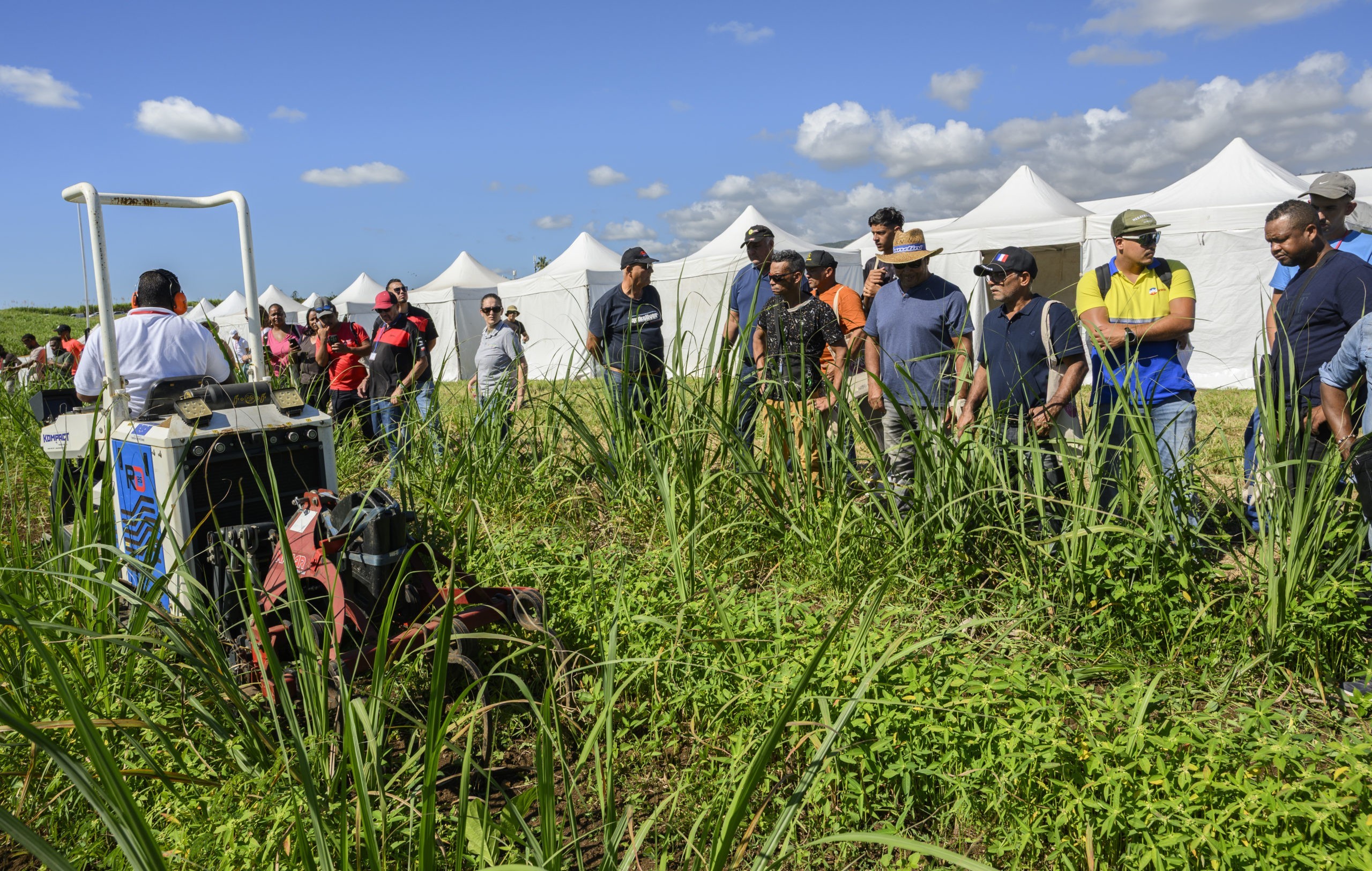
- the evaluation of innovative equipment and technologies for weed control both between rows and within the sugarcane row.
The knowledge and technical references generated by these projects directly support extension activities and demonstration programs within the industry, helping growers transition toward more sustainable production systems that are less dependent on herbicides and better adapted to future regulatory changes.